


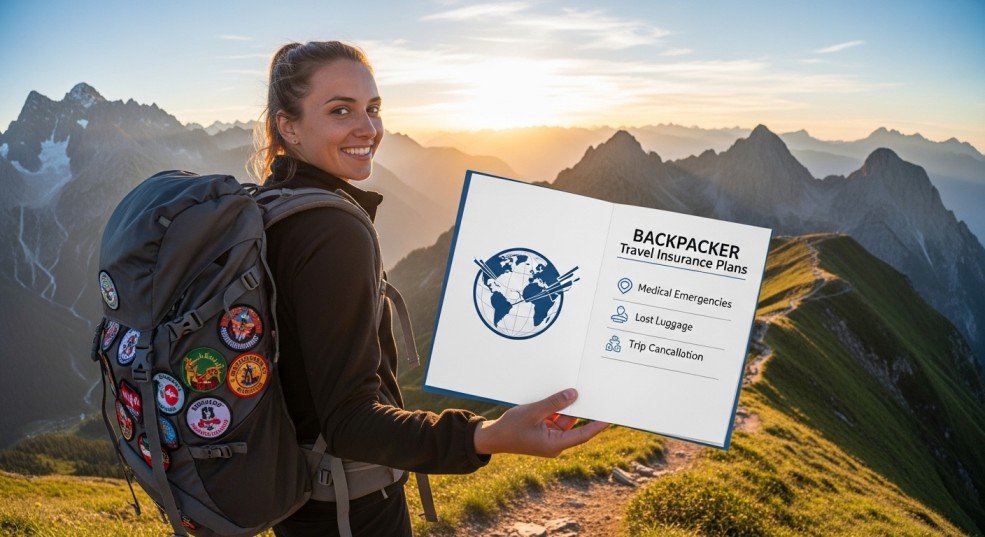
What is Backpacker Travel Insurance?
Backpacker Travel Insurance Plans is not just another checkbox on your pre-trip list—it’s your financial safety net when things go sideways on the road. Unlike standard travel insurance, these plans are specifically designed for long-term, flexible, and often unpredictable travel. Think about it: when you’re hopping between countries, staying in hostels, riding scooters, or trekking mountains, your risk profile is very different from someone on a 7-day luxury vacation. That’s exactly where backpacker insurance steps in.
In simple terms, backpacker travel insurance plans cover extended trips, multiple destinations, and higher-risk activities. These policies are built for travelers who don’t always have fixed itineraries or return tickets. Many plans even allow you to extend coverage while already traveling, which is a lifesaver if you fall in love with a place and decide to stay longer.
Here’s something interesting—data shows that backpacker insurance policies are among the most expensive types, averaging around £204.77 due to their extended duration and broader coverage . But that price reflects the level of protection you get, especially when you consider the potential cost of medical emergencies abroad.
How It Differs from Regular Backpacker Travel Insurance Plans
Regular travel insurance is like a short-term rental—it works great for quick trips with clear timelines. Backpacker insurance, on the other hand, is more like a flexible lease. It adapts to your journey rather than forcing your journey to fit the policy.
One major difference is duration. Standard policies usually cover trips of up to 30 days, while backpacker plans can extend up to 12 months or even longer. This is crucial because many backpackers travel for 3, 6, or even 12 months across multiple countries.
Another key difference is flexibility. Backpacker insurance often allows:
-
One-way travel (no return ticket required)
-
Multi-country coverage
-
Mid-trip extensions
Additionally, these plans frequently include basic adventure sports, which are usually excluded from standard policies. Activities like trekking, scuba diving, or even bungee jumping may already be covered or available as add-ons.
Why Backpackers Specifically Need It
Let’s be honest—backpacking is unpredictable. One day you’re exploring a peaceful beach, and the next you’re dealing with a missed flight, lost luggage, or a sudden illness. Without insurance, these situations can quickly turn into financial nightmares.
Consider this: motorbike accidents are one of the most common claims among backpackers, with hospital bills ranging from $3,000 to $15,000 in places like Thailand . And that’s just one example.
Backpacker insurance is essential because it covers:
-
Medical emergencies in foreign countries
-
Emergency evacuations from remote areas
-
Trip interruptions and cancellations
-
Loss or theft of personal belongings
If you’re traveling on a tight budget, one unexpected incident can wipe out your entire savings. Insurance ensures that a single mishap doesn’t end your adventure prematurely.
Key Features of Backpacker Travel Insurance Plans
Backpacker insurance plans come packed with features tailored for real-world travel situations. These aren’t just theoretical benefits—they’re practical tools that can save you time, money, and stress.
Medical Coverage and Emergency Care
Medical coverage is the backbone of any insurance plan. Most backpacker policies offer $50,000 to $500,000 in medical coverage, depending on the plan . This includes hospital stays, doctor visits, medications, and sometimes even dental emergencies.
But here’s the real kicker—emergency evacuation coverage. Imagine getting injured while trekking in a remote mountain region. Evacuation alone can cost tens of thousands of dollars. Many plans offer up to $1 million in evacuation coverage, which can literally be a lifesaver .
Trip Interruptions and Delays
Travel doesn’t always go according to plan. Flights get delayed, connections are missed, and sometimes emergencies force you to cut your trip short.
Backpacker Travel Insurance Plans typically covers:
-
Hotel stays during delays
-
Meals and transportation
-
Emergency return flights
For example, some plans offer $100–$500 per day for delays, helping you manage unexpected expenses without stress .
Baggage and Personal Belongings Protection
Let’s face it—losing your backpack is every traveler’s nightmare. It’s not just about clothes; it’s your passport, gadgets, and memories.
Most plans provide $500 to $3,000 in baggage coverage, depending on the policy. Some even include protection for electronics like laptops and cameras, which is especially useful for digital nomads.
Types of Backpacker Travel Insurance Plans
Not all backpackers are the same, and neither are insurance plans. Choosing the right type depends on your travel style and duration.
Short-Term Plans
Short-term plans are perfect for trips lasting a few weeks to a couple of months. They’re Backpacker Travel Insurance Plans affordable and cover basic needs like medical emergencies and trip delays.
These plans typically cost $2–$25 per day, making them ideal for budget travelers .
Long-Term and Gap Year Insurance
Planning a long adventure? Long-term plans are your best bet. These policies can cover trips lasting up to 24 months and often include additional features like home visits and flexible extensions.
A typical long-term plan can cost anywhere from $300 to $2,000 annually, depending on coverage .
Adventure Sports Add-On Plans
If your idea of travel includes adrenaline-pumping activities, you’ll need extra coverage. Standard policies often exclude high-risk activities.
Add-ons can cover:
-
Scuba diving
-
Paragliding
-
Trekking at high altitudes
These usually cost an additional $10–$50 per month, but they’re absolutely worth it if you plan to stay active.
How Much Does Backpacker Travel Insurance Plans Cost in 2026?
Let’s talk numbers—because budget matters.
Backpacker insurance typically costs 3% to 6% of your total trip cost . For example:
| Trip Duration | Estimated Cost |
|---|---|
| 1 month | $85 – $170 |
| 3 months | $190 – $370 |
| 6 months | $300 – $600 |
| 12 months | $600 – $1,200 |
Average Costs and Pricing Factors
Several factors influence pricing:
-
Age (older travelers pay more)
-
Destination (USA and Canada are more expensive)
-
Duration of travel
-
Coverage limits
On average, a comprehensive travel insurance plan costs around $250–$350 in 2026 .
Budget vs Premium Backpacker Travel Insurance Plans
Budget plans are great for basic protection, but they come with limitations. Premium plans offer higher coverage limits, better customer support, and fewer exclusions.
Here’s a quick comparison:
| Feature | Budget Plan | Premium Plan |
|---|---|---|
| Medical Coverage | $50K–$100K | $250K–$1M |
| Evacuation | $100K | $500K–$1M |
| Adventure Sports | Limited | Extensive |
| Price | Low | Higher |
Best Backpacker Travel Insurance Plans in 2026
Some providers consistently stand out in 2026 for their reliability and features.
Budget-Friendly Options
-
Tin Leg – Affordable with flexible tiers
-
SafetyWing – Monthly subscription model
-
Genki Traveler – Great for long-term travelers
These plans are perfect if you’re trying to stretch every dollar.
Premium Comprehensive Plans
-
IMG – High medical and evacuation coverage
-
BHTP – Best for adventure sports
For example, IMG offers up to $1 million evacuation coverage with zero deductibles .
How to Choose the Right Backpacker Travel Insurance Plans
Choosing insurance can feel overwhelming, but it doesn’t have to be.
Factors to Consider Before Buying
Think about:
-
Your destination
-
Duration of travel
-
Planned activities
-
Budget
If you’re heading to expensive healthcare destinations like the US, go for higher coverage limits.
Common Mistakes to Avoid
Avoid these pitfalls:
-
Ignoring exclusions
-
Underestimating coverage needs
-
Not reading the fine print
One small oversight can lead to denied claims.
Backpacker Insurance for Different Travel Styles
Every traveler is unique, and your insurance should reflect that.
Digital Nomads
Digital nomads need coverage for gadgets and long stays. Look for plans that include electronics protection and flexible renewals.
Adventure Travelers
If you’re chasing adrenaline, make sure your policy covers high-risk activities. Around 40% of backpacker claims are linked to sports injuries, making this coverage essential .
Tips to Save Money on Backpacker Insurance
Saving money doesn’t mean compromising on safety.
-
Compare multiple providers
-
Choose only necessary add-ons
-
Buy early to avoid higher premiums
-
Opt for higher deductibles to lower costs
Even small adjustments can make a big difference.
Conclusion
Backpacker Travel Insurance Plans isn’t just another expense—it’s your safety net in an unpredictable world. Whether you’re exploring bustling cities, remote mountains, or tropical islands, having the right coverage ensures peace of mind. From medical emergencies to lost baggage, the right plan can turn a potential disaster into a manageable inconvenience.
Travel is all about freedom, but smart travelers know that freedom comes with responsibility. Choosing the right backpacker insurance plan means you’re prepared for the unexpected while staying focused on what really matters—enjoying the journey.
FAQs (Backpacker Travel Insurance Plans)
1. Is backpacker travel insurance worth it?
Yes, especially for long-term travel. It protects you from high medical costs and unexpected emergencies.
2. Can I buy backpacker insurance after starting my trip?
Many providers allow this, but it’s always better to buy before departure.
3. Does backpacker insurance cover adventure sports?
Some plans include basic activities, but high-risk sports usually require add-ons.
4. How much coverage do I need?
At least $100,000 for medical and $250,000 for evacuation is recommended.
5. Which is better: monthly or one-time plans?
Monthly plans offer flexibility, while one-time plans are often cheaper overall.
