


What Is Travel Insurance?
At its core, travel insurance is a financial safety net designed to protect travelers from unforeseen events that can disrupt travel plans and cause unexpected expenses. It’s not about being pessimistic—it’s about being practical. Insurance helps you mitigate risks you can’t predict or control, like an unexpected illness abroad or a costly flight cancellation. International travel insurance policies usually cover a range of potential issues that could disrupt or end your trip prematurely.
Travel insurance functions much like health or car insurance: you pay a premium before your trip, and in return, the insurer agrees to cover certain losses based on your policy’s terms. Unlike domestic travel, where your health insurance or existing services might extend some benefits, once you cross international borders, those protections often fade or don’t apply at all. That’s where travel insurance steps in as your primary line of financial defense.
Why International Travel Is Different
Increased Risks Abroad
When you travel internationally, you’re stepping far outside your familiar safety net. Suddenly, you’re navigating health systems you don’t understand, dealing with unfamiliar transport networks, and coping with different legal and cultural norms. These differences inherently introduce more variables and potential risks compared to a domestic trip. Whether it’s a sudden storm delaying your flights or an injury requiring urgent care, being far from home amplifies travel uncertainties.
Healthcare Systems Vary Widely
Healthcare in foreign countries operates under different rules, and pricing can be astronomical. In countries like the United States, Canada, or parts of Europe, emergency medical services can cost tens of thousands of dollars for hospital stays, surgeries, and even ambulance services. Without international coverage, these bills fall squarely on your shoulders. Regular health insurance rarely extends international benefits, making travel-specific coverage an essential investment.
Medical Coverage: The Most Critical Benefit
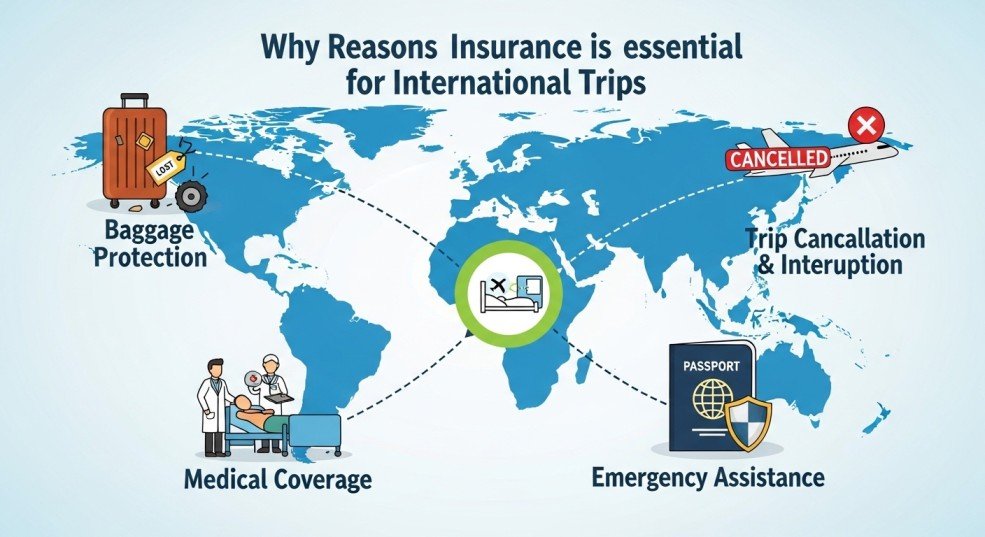
One of the most compelling reasons to invest in travel insurance is medical coverage. This ensures you’re protected financially if you fall sick or get injured while abroad.
Emergency Medical Treatment Abroad
If you require medical treatment abroad due to illness or injury—whether it’s a sudden stomach infection or a fractured bone—your travel insurance policy helps cover the cost of hospital stays, doctor’s visits, and prescribed medications. In many nations, hospitals demand payment upfront before treatment, and without coverage, you might be forced into expensive out-of-pocket payments.
Medical Evacuation and Repatriation
In more severe scenarios—like serious accidents, worsening conditions, or lack of adequate medical facilities—travel insurance can cover emergency medical evacuation to a better-equipped facility or even your home country for continued care. This alone can run into tens of thousands of dollars without insurance coverage. Having this medically-backed support is not just a financial safeguard—it’s a life saver.
Trip Cancellation and Interruption Protection
Life is unpredictable. You might fall ill before your trip, face a family emergency, or encounter severe weather that disrupts your travel plans.
Travel insurance policies often include trip cancellation and trip interruption coverage, which reimburse you for prepaid, non-refundable expenses like flights, hotels, and tours that you lose if your travel plans change unexpectedly. These benefits are termed as “covered reasons,” and typical covered scenarios include sickness, injury, death of a close family member, job loss, or natural disaster.
Loss, Delay, or Theft of Baggage
Imagine landing in your destination only to find your luggage never made the trip. Beyond being inconvenient, replacing essential items could throw your budget off track. Travel insurance can compensate you for baggage lost, delayed, or stolen, allowing you to continue your trip without unnecessary stress.
Flight Delay and Travel Disruption
Airlines sometimes cancel or delay flights due to weather, operational issues, or air traffic congestion. While frustrating, these issues can also bring added costs like extra hotel nights, meals, or transport. Many travel insurance plans include travel delay benefits, reimbursing you for such expenses during prolonged delays.
Passport and Document Loss
Losing your passport in a foreign land can be a major headache. In addition to emotional stress, securing a replacement document involves fees and potentially urgent travel arrangements. Some insurance plans offer compensation for passport loss expenses, helping you manage costs without additional stress.
Personal Liability Coverage
Accidents happen. If you accidentally injure someone or damage property while overseas, travel insurance can provide personal liability protection, helping cover legal liabilities and compensation costs. This is especially important in countries where local laws might hold you financially responsible.
24/7 Assistance Services
Many insurers offer 24/7 international assistance, providing help with claims, medical facility recommendations, and logistical support for emergencies like lost passports or legal issues. Accessing expert assistance overseas can make a world of difference when you’re handling a stressful situation far from home.
Is Travel Insurance Mandatory for Some Countries?
Certain countries require proof of valid travel insurance before issuing a visa—Schengen countries being a well-known example. Other destinations may not mandate it by law, but travel suppliers or tour operators might still require coverage as a condition of participation.
Adventure and Specialty Coverage
If your international trip includes activities like scuba diving, skiing, or mountain climbing, you might need specialized add-ons that cover these high-risk pursuits. Standard travel insurance might exclude such activities unless explicitly added.
Peace of Mind: Financial and Emotional Security
Perhaps the most underrated benefit of travel insurance is the peace of mind it brings. Knowing that unforeseen disruptions—however unlikely—won’t derail your finances allows you to relax and enjoy your journey with confidence.
When Travel Insurance Might Not Be Necessary
While travel insurance is highly recommended, certain scenarios might reduce its necessity—for example, short trips with minimal costs or when you already have extensive international coverage through a credit card or another policy. Still, for most international travellers, the benefits substantially outweigh the cost.
How to Choose the Right Policy
When selecting travel insurance, consider:
- Coverage limits for medical emergencies
- Trip cancellation/interruption terms
- Add-ons for adventure activities
- Exclusions and waiting periods
- Reputation and responsiveness of the insurer
Understanding these details ensures you choose a plan tailored to your specific travel plans and risks.
Real-Life Examples of When Travel Insurance Helped
From emergency evacuations due to unexpected illness to flights canceled by weather, countless travellers have found themselves thanking their travel insurance for covering expenses that otherwise would’ve wiped out their savings.
Tips for Filing Claims Successfully
To ensure your claim goes smoothly:
- Keep all receipts and documents
- Report incidents promptly
- Understand your policy’s terms
- Follow the insurer’s claim process carefully
Common Misconceptions About Travel Insurance
Many travellers assume travel insurance is optional or a waste of money. But weather events, health emergencies, and airline disruptions are far more common than most people assume—which is why comprehensive coverage is not just smart but often essential.
Expert Opinions on Travel Insurance
Experts consistently advocate for travel insurance, especially for international travel, citing its ability to safeguard travellers from unexpected financial loss and stress.
Final Thoughts and Recommendations
International travel is one of life’s great joys—but it also carries risks that can quickly turn your dream trip into a financial burden. Travel insurance provides a safety net that allows you to explore the world with confidence, knowing that unexpected expenses, emergencies, and disruptions won’t derail your plans or finances.
Investing in travel insurance isn’t about expecting the worst; it’s about being prepared for the unpredictable, securing peace of mind, and protecting your travel investment. Whether it’s medical emergencies, trip cancellations, lost baggage, or personal liability, having the right travel insurance can make the difference between a stressful setback and a manageable hiccup.
FAQs
1. Is travel insurance mandatory for international trips?
Not for all countries, but some destinations and visa requirements make it compulsory to prove valid travel insurance before entry.
2. Does travel insurance cover medical emergencies abroad?
Yes, most international travel insurance policies include coverage for hospitalisation, doctor visits, and in some cases, emergency medical evacuation.
3. Will travel insurance reimburse me for lost baggage?
Yes, many policies offer reimbursement for lost, delayed, or stolen baggage.
4. Can travel insurance cover trip cancellations?
Yes, travel insurance can compensate for non-refundable trip expenses if you cancel for covered reasons like illness or family emergencies.
5. How do I choose the right travel insurance plan?
Consider coverage limits, add-ons for activities, exclusions, insurer reputation, and specific needs related to your destination and trip length.
